Origin / Why

This project did not begin as a book or even as writing. It began as a set of dissatisfactions with familiar scholarly genres, hierarchies, and the kinds of epistemic compromises they quietly demand. For that reason, the authors - five members of a research collective termed Research Data Share (RDS) - came together to sit with these dissatisfactions and begin to imagine together differently.
Your Button Text

About RDS

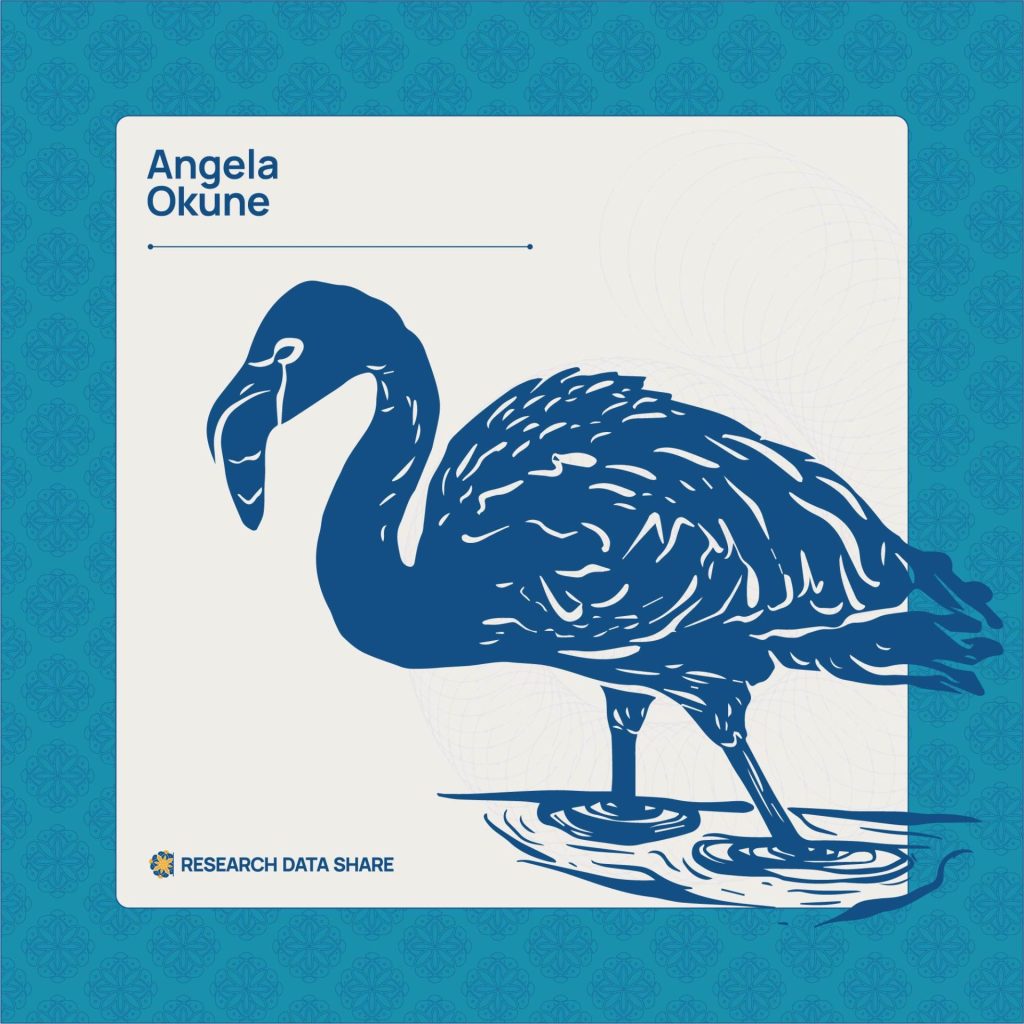
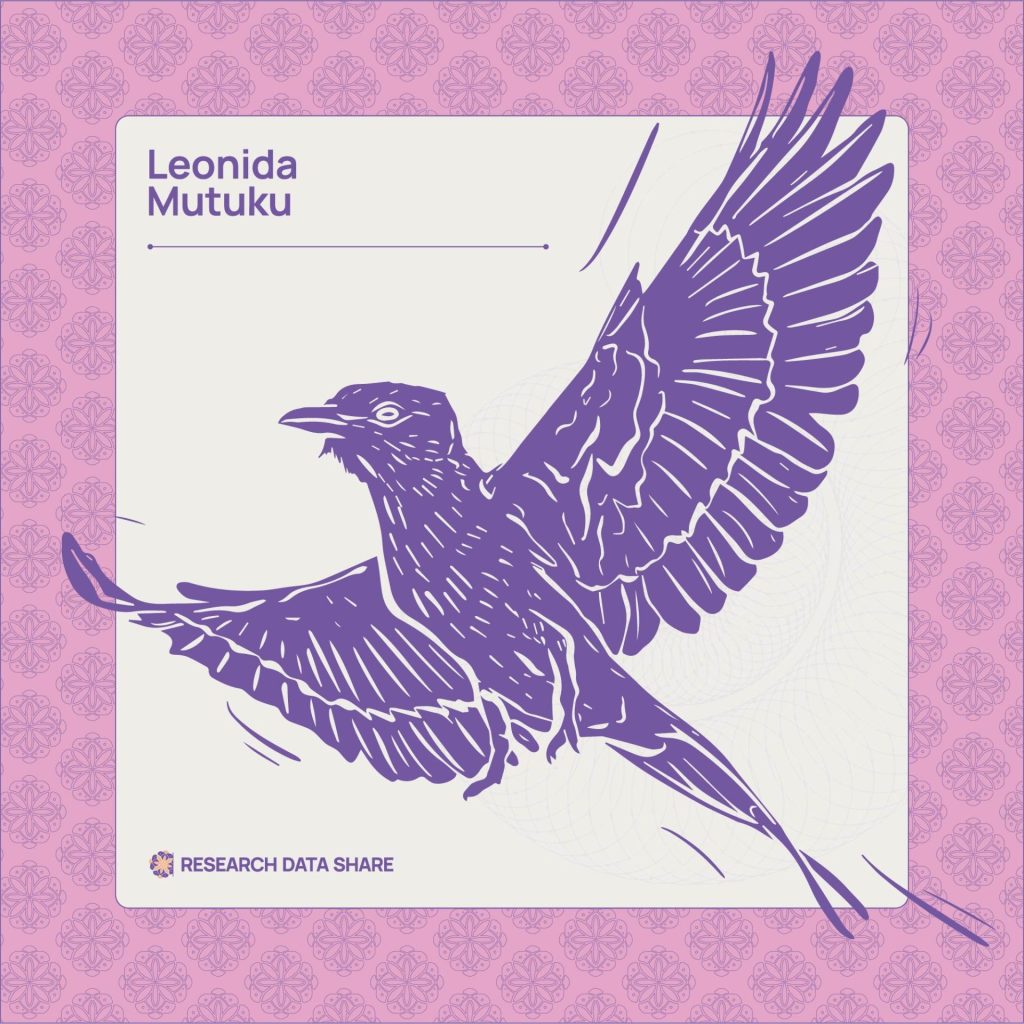
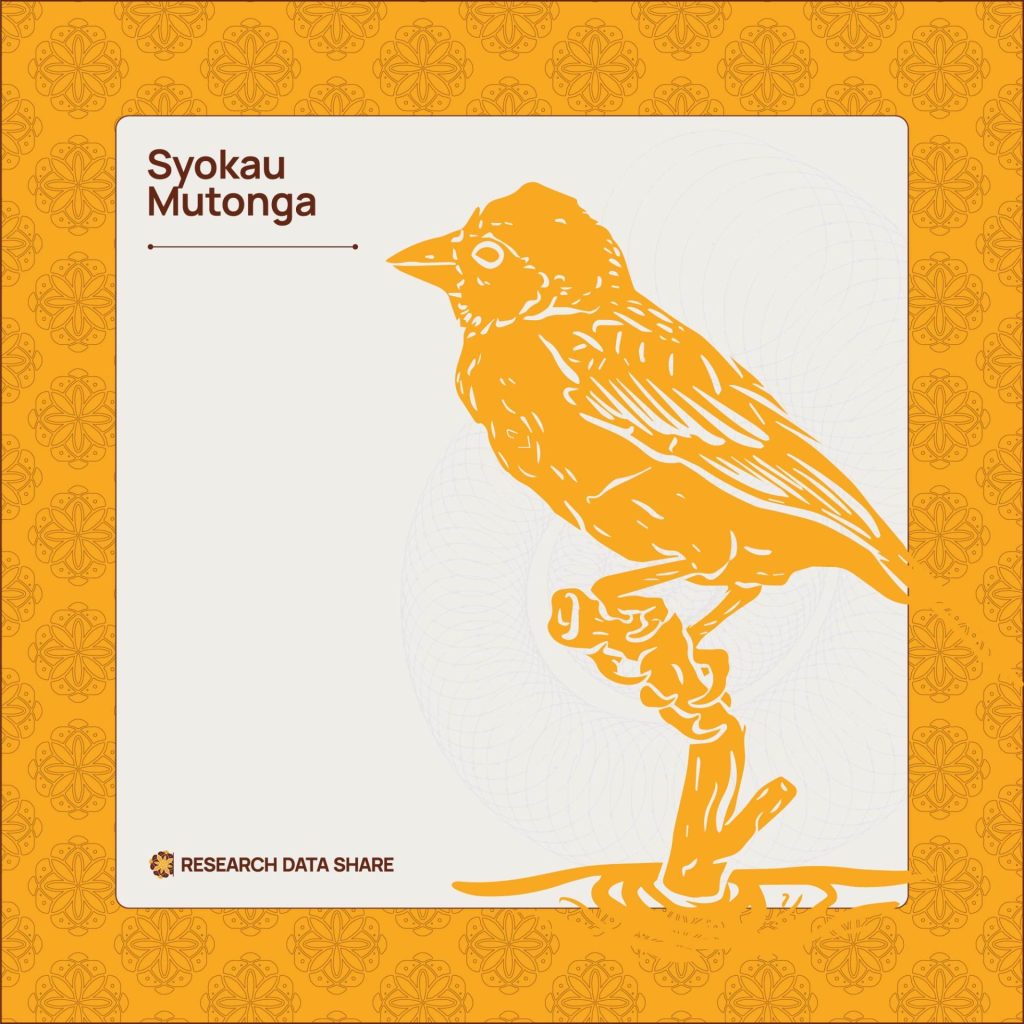
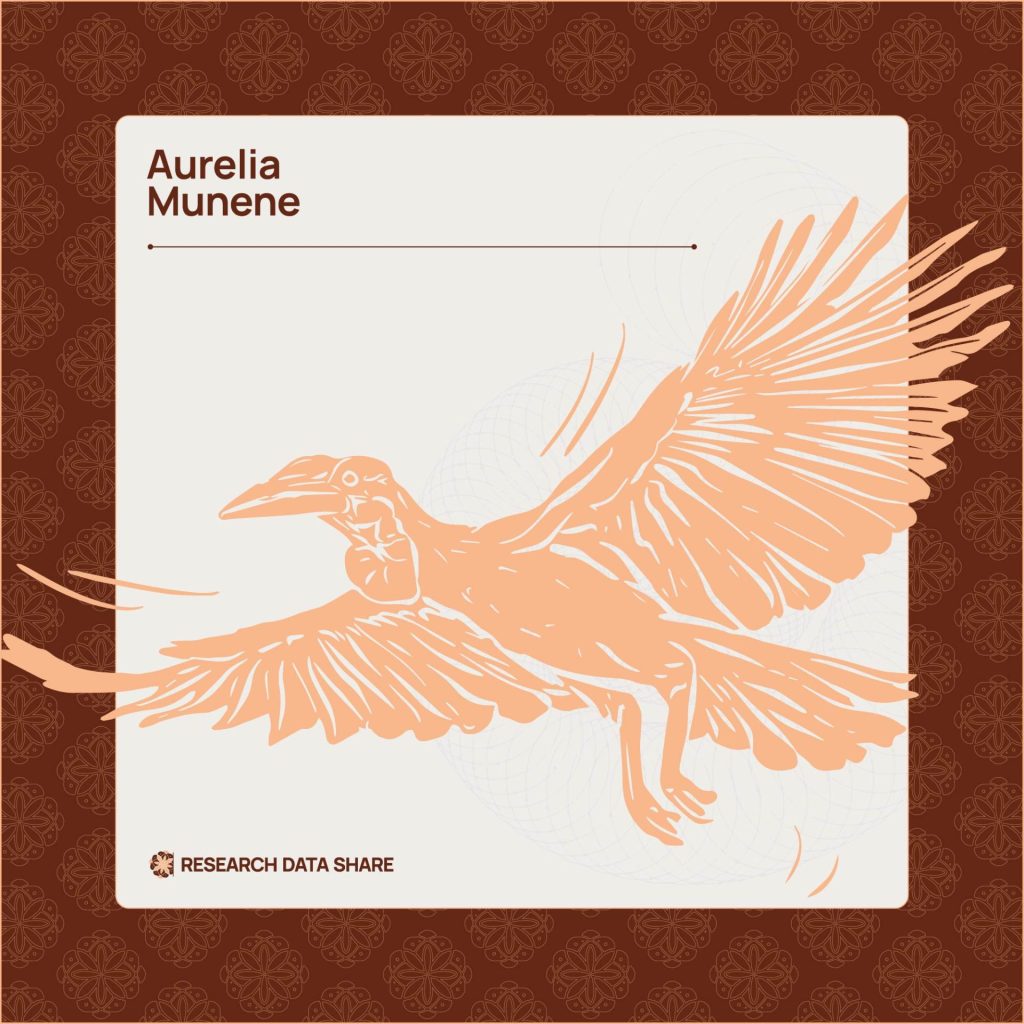
At the start of this book project, we decided to form a research collective. We are researchers based in Kenya from the disciplines of Anthropology, Art History, Data Science, Gender Studies, Media Studies and Science and Technology Studies.

Similar to other scholars before us, we have observed and experienced the presumed marginality and inferiority of our knowledge infrastructures compared to those from the West, carryovers from our nation’s colonial history. Our geopolitical location - the so-called ‘Global South’, which tends to be under-represented in global scholarship rankings - is also a fundamental contributor to the concepts of resistance and decoloniality that permeate our work.
What this project seeks to interrogate is not only the decoloniality of knowledge, but also the process of producing that knowledge.

Our Process

This project prioritized a collaborative methodology that valued relational labor over institutional hierarchy. By rejecting pre-set agendas, the collective used "slowness" not as a failure to optimize, but as a deliberate tool to build trust and navigate disagreement. This allowed for a deep unpacking of power dynamics and assumptions. However, the group resisted romanticizing this approach, acknowledging that alternative infrastructures are not inherently more equitable and can inadvertently produce new forms of exclusion and internal friction.


Crucially, this experimental work was subsidized by the members' stable employment elsewhere. The temporal flexibility required for such speculative labor is a luxury often unavailable to precarious or grant-funded researchers. Without structural changes to funding, these methods risk reproducing the inequities they critique by remaining accessible only to those with financial buffers. True liberatory scholarship requires expanding support systems so that experimentation is not contingent on personal privilege.

The Team

We are researchers based in Kenya from the disciplines of Anthropology, Art History, Data Science, Gender Studies, Media Studies and Science and Technology Studies.

Contributors

This book would not have been possible without the labor and steady presence of many people:

We are deeply grateful to the COPIM team, Rebekka Kiesewetter, Janneke Adema, and Simon Bowie, for believing in the experiment of a “database as book” and for taking seriously the infrastructural questions at the heart of this project. Your willingness to work through technical, conceptual, and logistical complexities alongside us made this work possible. Thank you for all the help with documentation along the way!

At African Minds, François van Schalkwyk offered not only publishing expertise but also intellectual companionship. His openness to experimentation, and his long-standing commitment to open access publishing on the continent, created the conditions for this project to take shape in its current form. Thank you for so willingly enrolling in this experiment!

We thank the British Institute in Eastern Africa (BIEA) for hosting our two public events and co-funding the second convening that fed into this volume. Providing physical space for conversation and collective thinking was incredibly important to advance this work.

Our peer reviewers, Joost Fontein and Augustine Nyagah, engaged the manuscript with care and rigor. Your thoughtful live critiques strengthened the work substantially and pushed us to clarify and sharpen our arguments.

Renato Gomes brought the technical backbone of this project into being. He shepherded the transition to PECE Version 2 with patience and precision, and set up the accompanying WordPress site that allowed the work to travel across multiple formats and platforms. His development work made our experimental ambitions materially possible.

Karugu Maina translated our conceptual sketches and half-formed ideas into coherent and beautiful design. With thoughtful creativity, he gave visual and structural form to the project, shaping how readers encounter and move through it.

The PECE team has been central to this project from the start. In particular, Mike Fortun’s early morning (5 AM!) calls across time zones exemplify the kind of infrastructural dedication that rarely appears on a title page but undergirds the entire endeavor. The collective labor of the broader PECE community made it possible to imagine and begin to build a different relationship between databases and books.

Finally, we extend heartfelt thanks to all of the individual contributors who participated in the events that shaped this volume. Your questions, annotations, discussions, and willingness to experiment with format and genre are what animate this book. This project emerged from those encounters; it belongs to that collective effort.

The Database

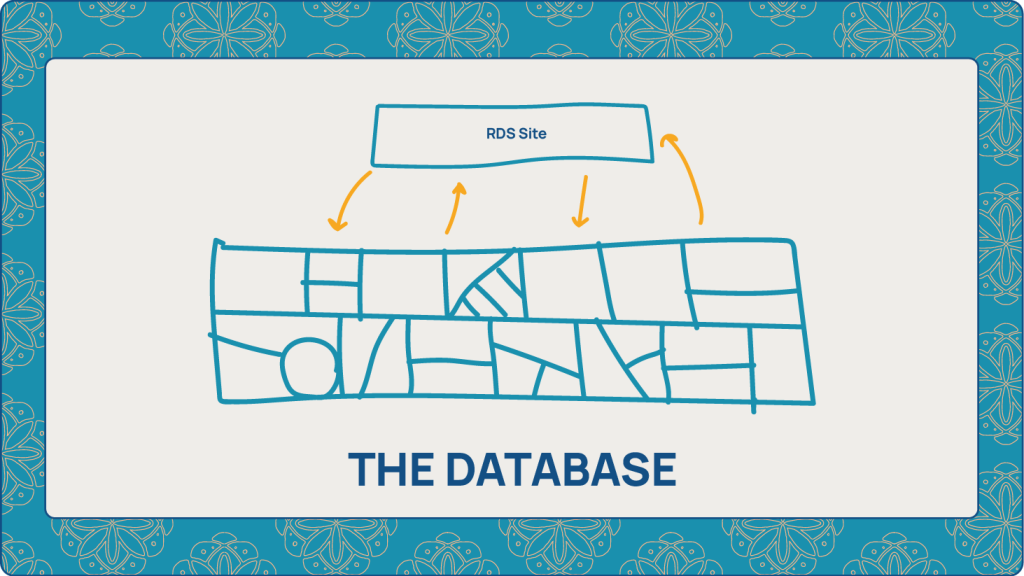
Want to delve deeper? Visit the Platform for Experimental, Collaborative Ethnography (PECE: pronounce “peace”). It is an open-source digital platform that supports multi-sited, cross-scale ethnographic and historical research.

Navigating PECELink to PECE

The Physical Book

Want to purchase a physical copy? Order your copy from African Minds if you're based in Africa. If you're outside the continent, place your order with the African Books Collective.

Get Yours

WordPress Essays

Want to learn more about individual topics of interest? Read each singular vignette from each author's perspective, research and lived experience here.

Dive In

The Database

This is just placeholder text. We will change this out later. It’s just meant to fill space until your content is ready. Don’t be alarmed, this is just here to fill up space since your finalized copy isn’t ready yet. Once we have your content finalized, we’ll replace this placeholder text with your real content.
The Physical Book

This is just placeholder text. We will change this out later. It’s just meant to fill space until your content is ready. Don’t be alarmed, this is just here to fill up space since your finalized copy isn’t ready yet. Once we have your content finalized, we’ll replace this placeholder text with your real content.

WordPress Essays

This is just placeholder text. We will change this out later. It’s just meant to fill space until your content is ready.