

Khanga as visual metaphor for collaborative infrastructure
The khanga (also known as leso) is a rectangular cloth wrapper associated with Swahili women on the East African coast from the 19th century, but has become widely used across mainland East Africa. A typical khanga is 45 x 54 inches (Odundo, 2024).
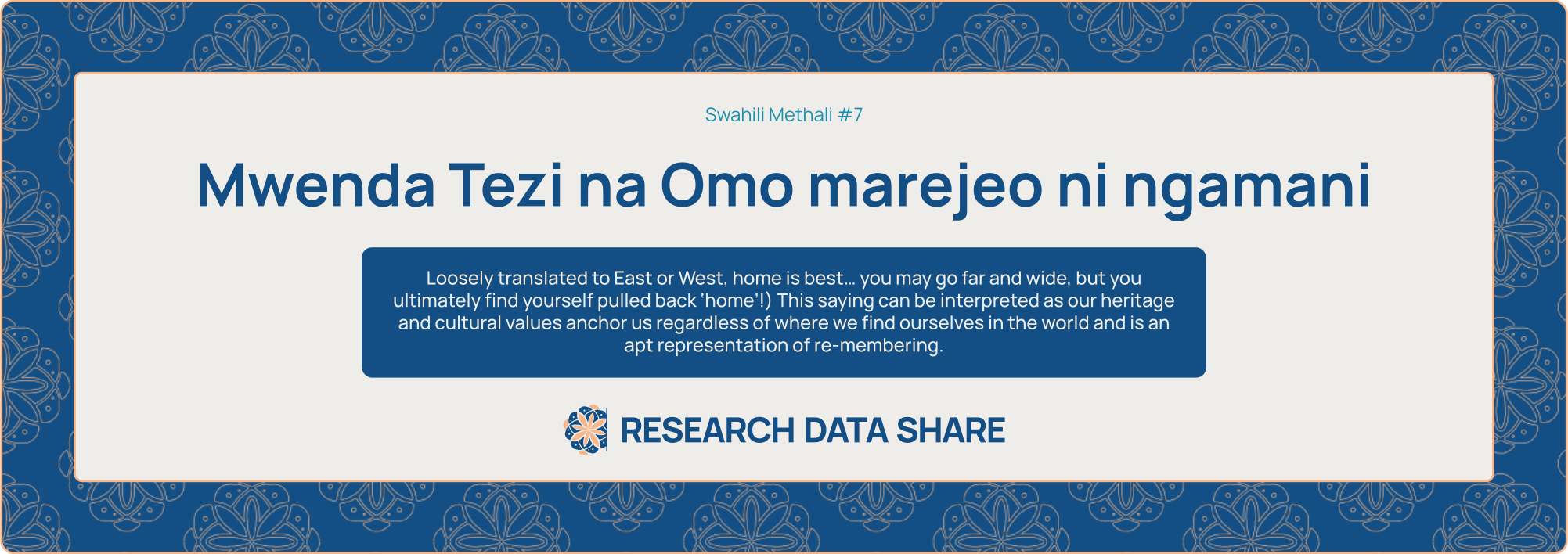
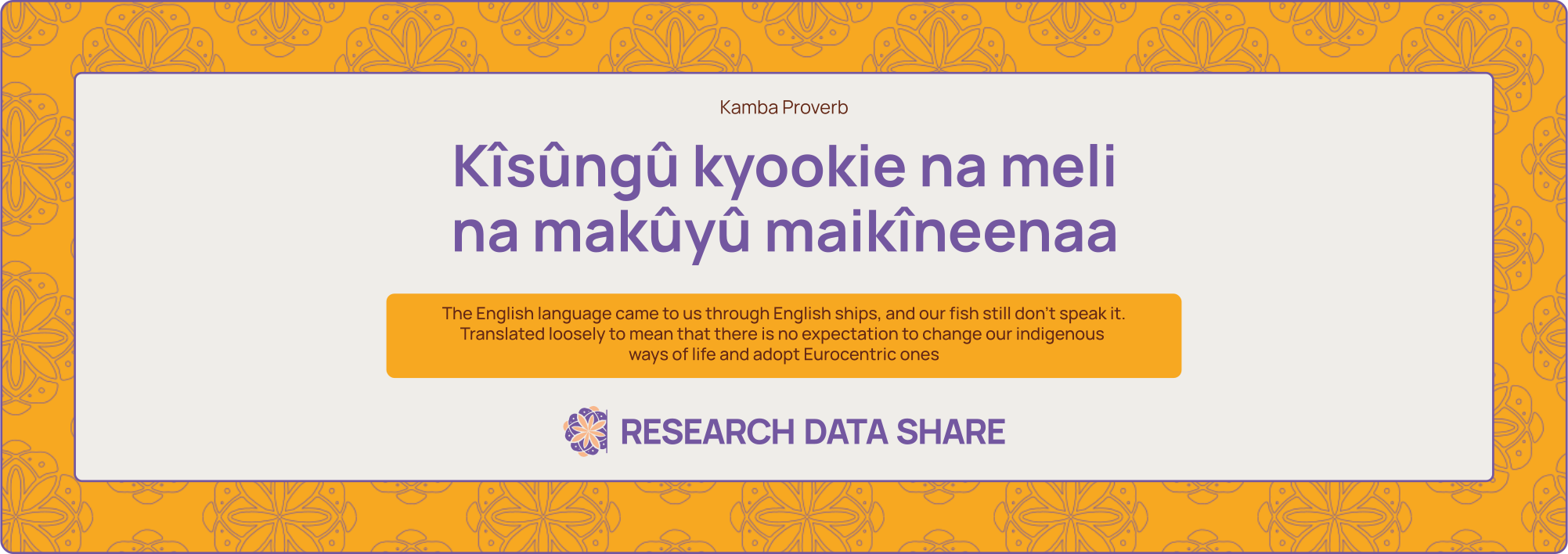
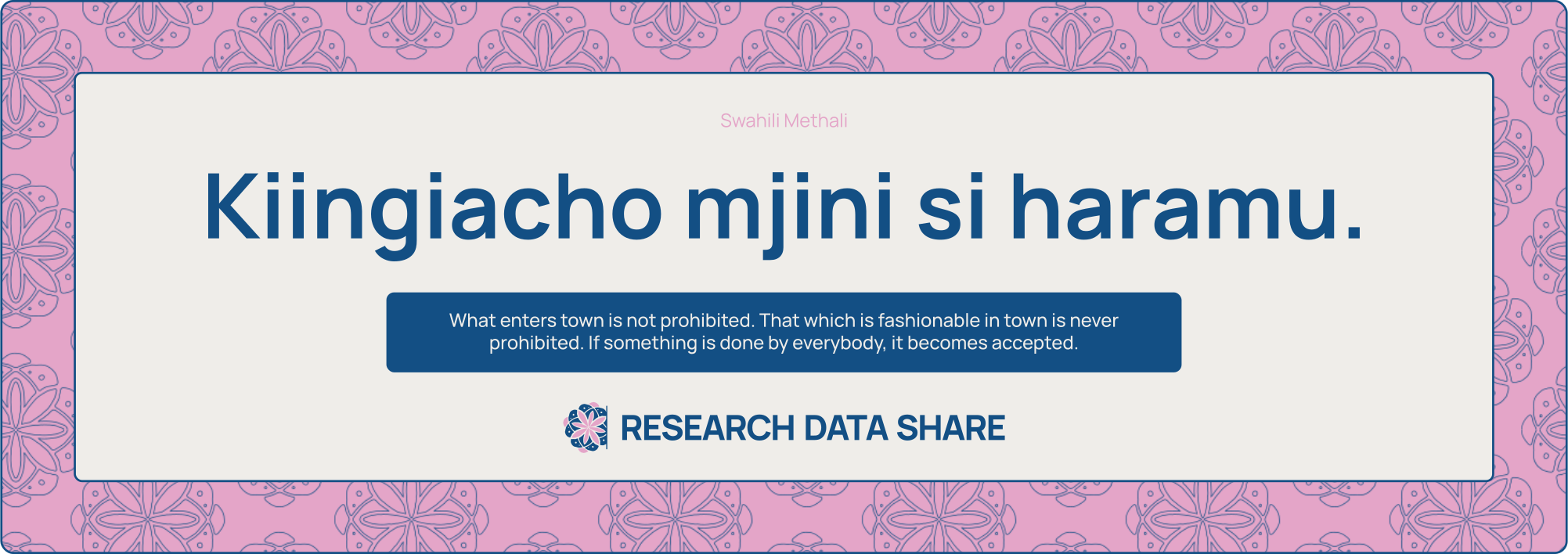
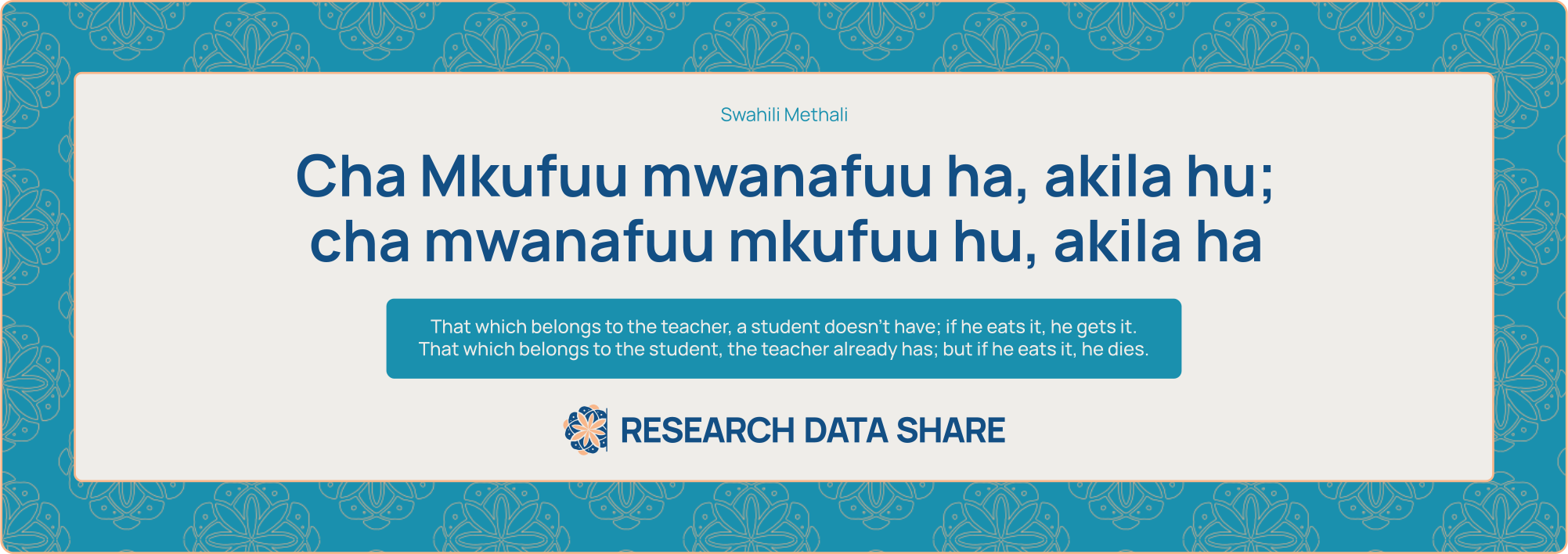
Decorative and functional, khangas are textiles characterised by colourful patterns centred within a border, and a short line of text carrying a wise saying or proverb (methali). The texts are “imbued with levels of social and cultural meaning… used to pass on messages, chastise or share an idea”” (Odundo, 2024).
In traditional Swahili culture, the khanga is often worn by women in two pieces, one as a skirt and the other wrapped around the top half of the body. But it has multiple other uses, including baby wrap, seat cover, and wall hanging. Here is how Luhumyo (2019) captures it:
“It is the gift you give to a new mother to wrap around her belly after giving birth; the cloth in which you swaddle a new-born baby; when you need to clean the house; when you need a towel; when you need a curtain, a bed-spread, a scarf, a shawl, a handkerchief, something to lighten up a dull room or outfit.”
As members of the RDS collective, we found the khanga to be a useful starting point for our lived experience as women. It was a decorative feature at our first public event, draped across a podium and tables as we invited our guests to help us think through our proposed project. It became a deeper symbol of infrastructure as we reflected on the questions of knowledge sources, systems, and processes, to which our chapters seek alternatives.
We were further galvanized by the work of Karugu Maina, who we enrolled as our design thinker halfway through the process. Inspired by our initial khanga-inspired logo, he leaned into it, playing with the core elements of colour, pattern and text to re-create the logo, develop the book cover design, and invite each RDS member to choose a colour combination that would represent their work.


The khanga also intimately ties into a rich history of Kenyan publishing prior to achieving independence in 1963. Kenyan-British library professional and political activist Shiraz Durrani has detailed a history of publishing in Kenya that is diverse, and goes back to the end of the 1800s, noting that although colonial laws prevented Kenya’s African population from owning printing presses or newspapers, that did not mean they lacked effective means of communication. Durrani spotlights the importance of oral communication systems and more fugitive methods for bypassing the embargo placed by the colonial administration such as writing “Kiswahili cha ndani” (‘Kiswahili of the inside’) resistance messages on women’s khanga cloth which were worn as skirts or wraps so the message reached a wide audience right in their homes [7].
The khanga to us is a non-typical knowledge infrastructure that has been used to resist the status quo. The deeper we have gone into the project, the more apt the khanga has become as a visual metaphor for what we are trying to achieve.
In honour of the khanga as knowledge infrastructure, we share some methali from our cultural and social contexts.
More Examples


Sources
Odundo, F. (2024, December 9). The paisley on the khanga. UndaMeta.com.https://undameta.com/the-paisley-on-the-khanga/?srsltid=AfmBOoollx5alb6Hv7DOkbMq4b-5ufE5dOZk3Y6rYlCw3Xuxz8lqAN8W
Luhumyo, I. (2019, October 14). How I fell in, out, and back in love with the leso. https://africanarguments.org/2019/10/how-i-fell-in-out-and-back-in-love-with-the-leso/
Durrani, Shiraz. 2006. Never Be Silent: Publishing and Imperialism in Kenya 1884-1963. Vita Books.